
How FreeXperience started
|
|
|
|
|
|


Back then, every lanyard was homemade, and that made them genuinely unsafe. There was no oversight on materials, no quality control, and no consistent testing. Like any young sport, freediving learned some of its safety lessons the hard way — much like climbing gear did in its early years: test, fail, adjust, iterate.
Towards the quality
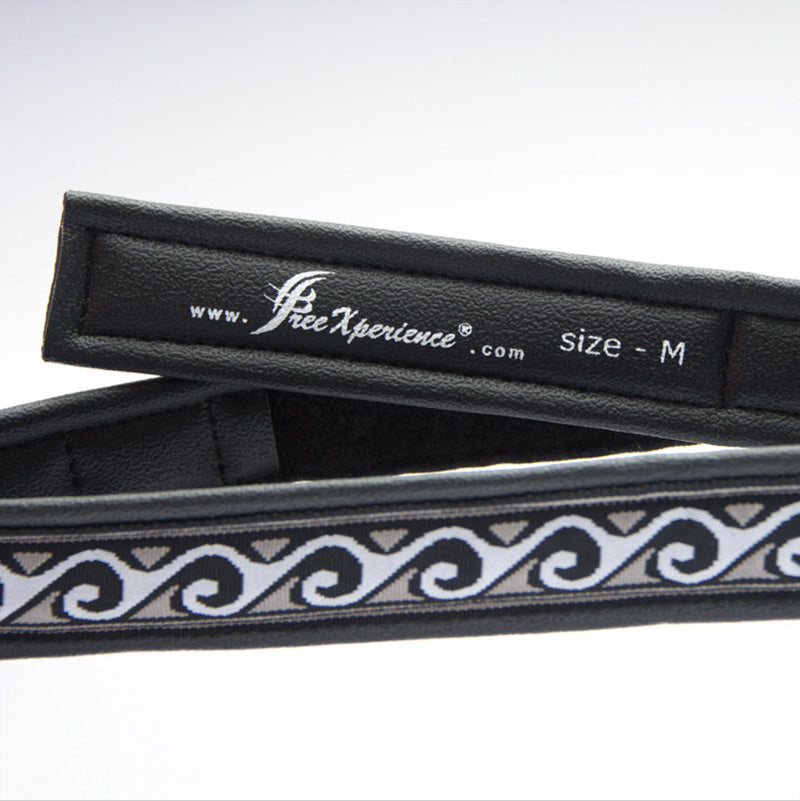
By 2007, I'd had enough of the lack of commercial, properly tested lanyards. Without standardized manufacturing and rigorous testing, a genuinely safe lanyard simply isn't possible — and that put our entire community at risk.
So I set out to build one. I brought an engineer's mindset to the problem, aiming for a level of testing and consistency the sport hadn't seen before.
Better with every version
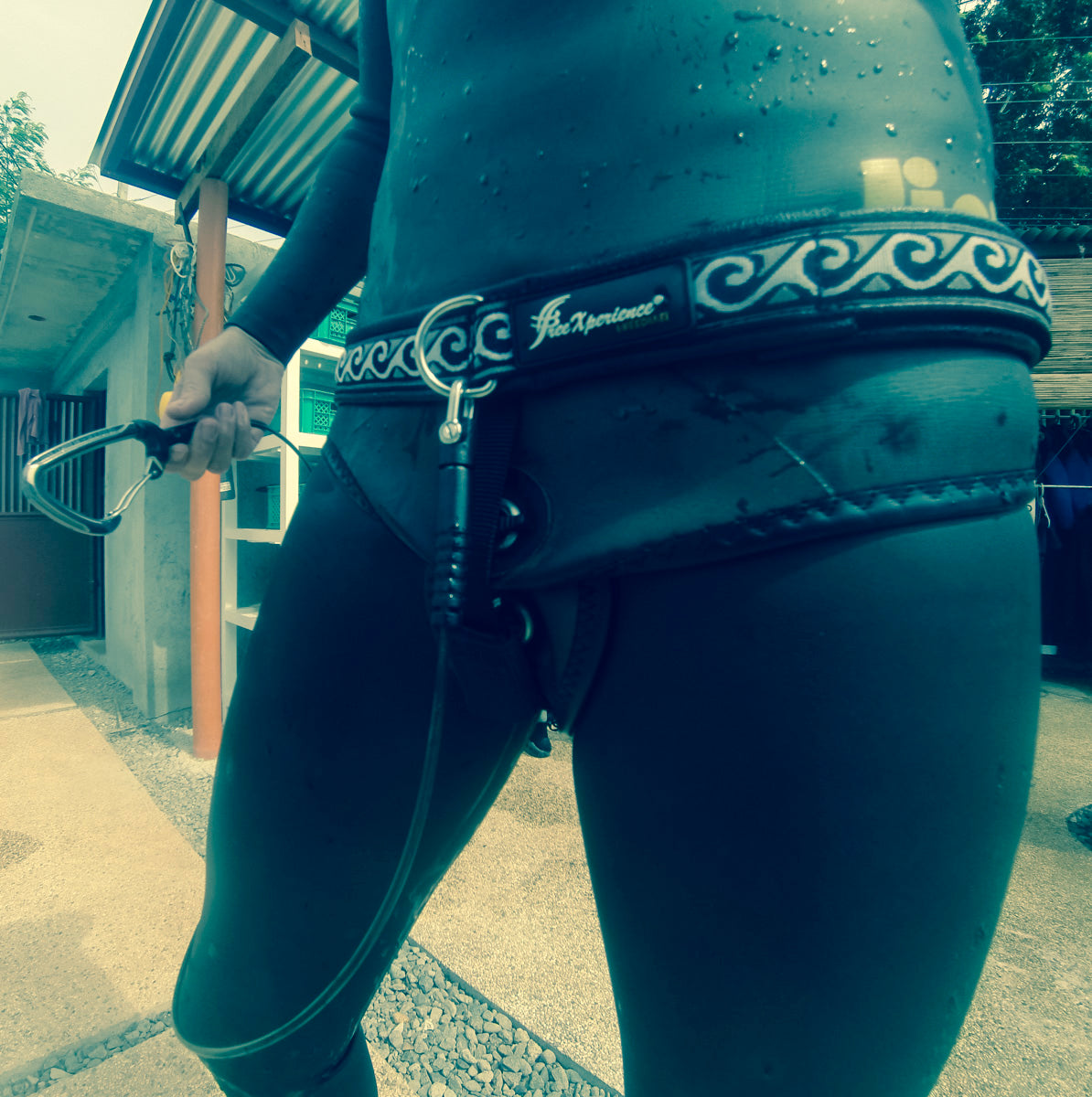
The first version came together after countless trials with my own diving and with friends, under the brand X-Ocean. I borrowed heavily from surfing leash design and manufacturing — an industry with decades of real-world testing behind it, and conditions surprisingly close to what a freediving lanyard has to survive.
From 2010 to 2012, the lanyards were produced under the Breatheology brand, with world champion freediver Stig Severinsen lending his brand name to the product. Not long after, as freediving took off across Asia — driven in large part by Jean-Pol Francois — I designed a lanyard for his company, Freediving Planet.

FreeXperience is born
After more than 15 years of refining lanyards and testing methods, I decided to step out on my own as an independent manufacturer. I've always believed freediving should be an accessible, rewarding sport — not an expensive one.
I called the brand FreeXperience, short for "Freediving with Experience": diving with focus, presence, and the confidence that comes from gear you can trust. The goal was, and still is, to give every freediver access to equipment that helps them have that experience.
Today, I remain the only lanyard manufacturer who develops new test methods and publishes the results openly. Other brands have since entered the market too, and that's a good thing — more competition has pushed the whole industry toward better design and higher safety standards.
Beyond the workshop
Lanyards were where FreeXperience adventure started, but freediving itself has been the constant thread through my career. Between 2005 and 2007, I helped build AIDA's very first instructor education materials as part of the AIDA education committee — work that later became the foundation for SSI's and PADI's own freediving curricula.
In 2009 I was elected AIDA president, a role I held until the end of 2015. Carla, whom I'd brought in to lead AIDA's communications, carried the organization forward from there.
These days, I train AIDA judges and freediving instructors around the world — that's still my main professional focus. FreeXperience, in many ways, started as a side project to solve a problem for my own community, and it's stayed close to that spirit ever since: a hobby that happens to keep people safer underwater.
Today
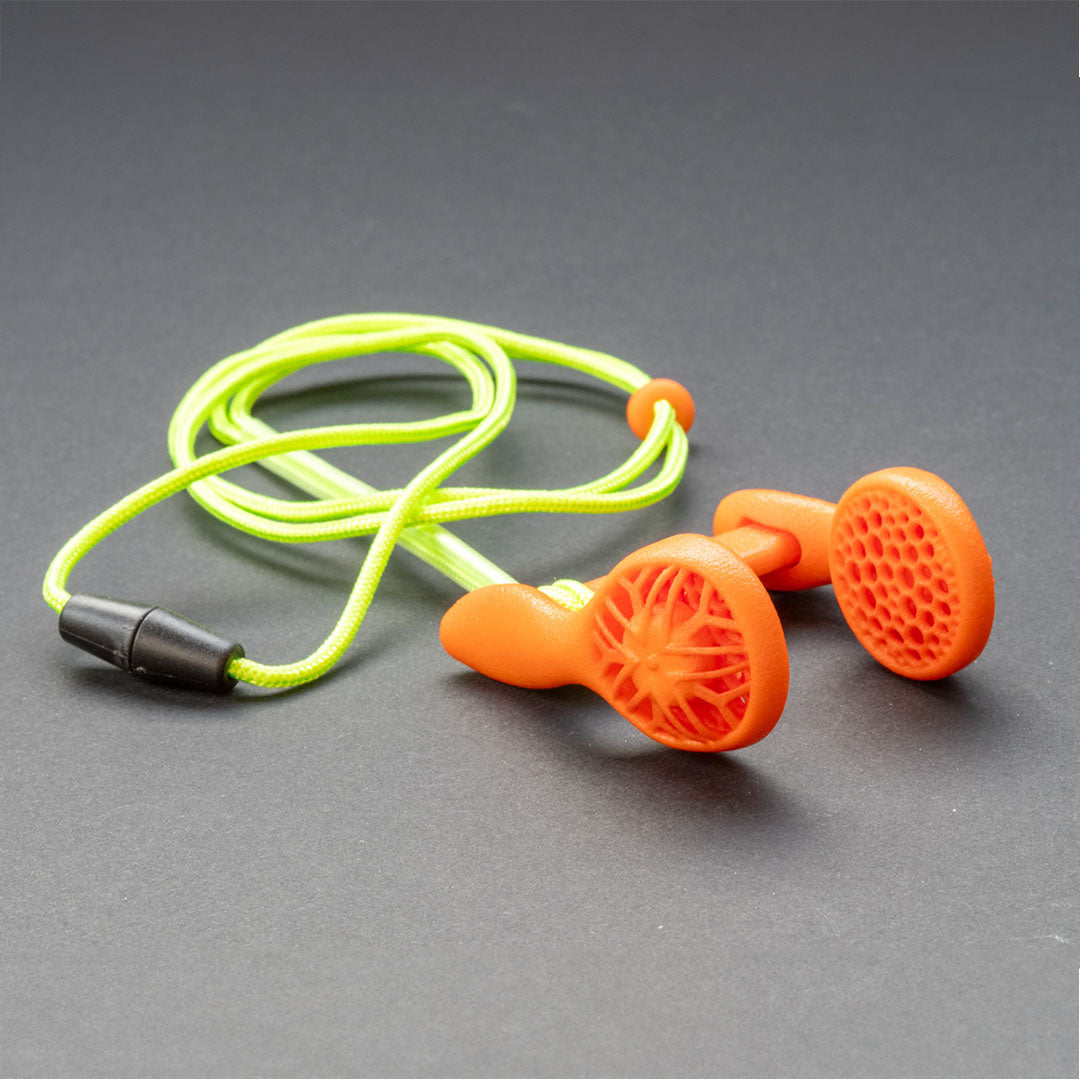
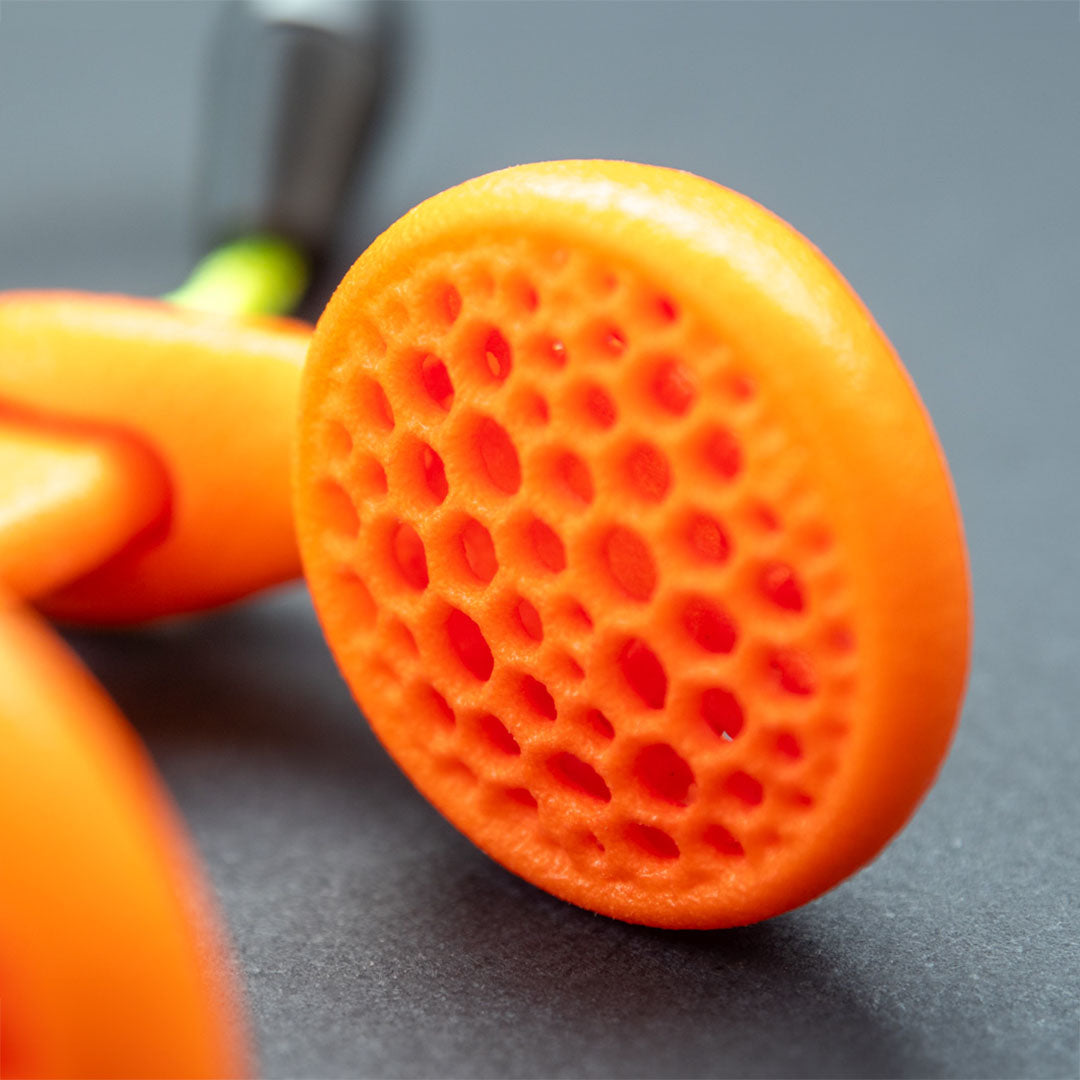
FreeXperience keeps exploring what hasn't been built yet — new materials, 3D-manufacturing techniques, and ideas that push the sport's equipment forward.
The principle that started it all hasn't changed: Kaizen, continuous improvement. We keep refining, testing, and publishing — because in this sport, "good enough" isn't.

Kimmo Lahtinen 2026
Freediving Instructor Trainer & Freediving Competition Judge Instructor
Featured products